When to visist Africa
A Comprehensive Seasonal Guide
Africa is a continent of extraordinary diversity, offering everything from iconic wildlife safaris and pristine beaches to rich cultural experiences and dramatic natural wonders. Choosing the right time to visit can significantly enhance your journey, depending on your interests and the regions you plan to explore. This comprehensive seasonal guide will help you decide when to travel to Africa for an experience that perfectly matches your travel aspirations.
Deciding when to visit Africa depends on your preferred activities, tolerance for weather conditions, and interest in specific wildlife or cultural events. With over 25 years of experience in African tourism, we specialise in creating tailor-made journeys that align perfectly with seasonal highlights and your personal travel goals.
Whether you’re drawn to the Great Migration, the serenity of the Indian Ocean islands, or the dramatic landscapes of Africa’s deserts and savannahs, we take care of every detail so you can focus on making unforgettable memories. Let us guide you through Africa’s seasons and craft an experience that exceeds expectations.
Southern Africa: A Wildlife Enthusiast’s Dream
Dry Season (May to October)
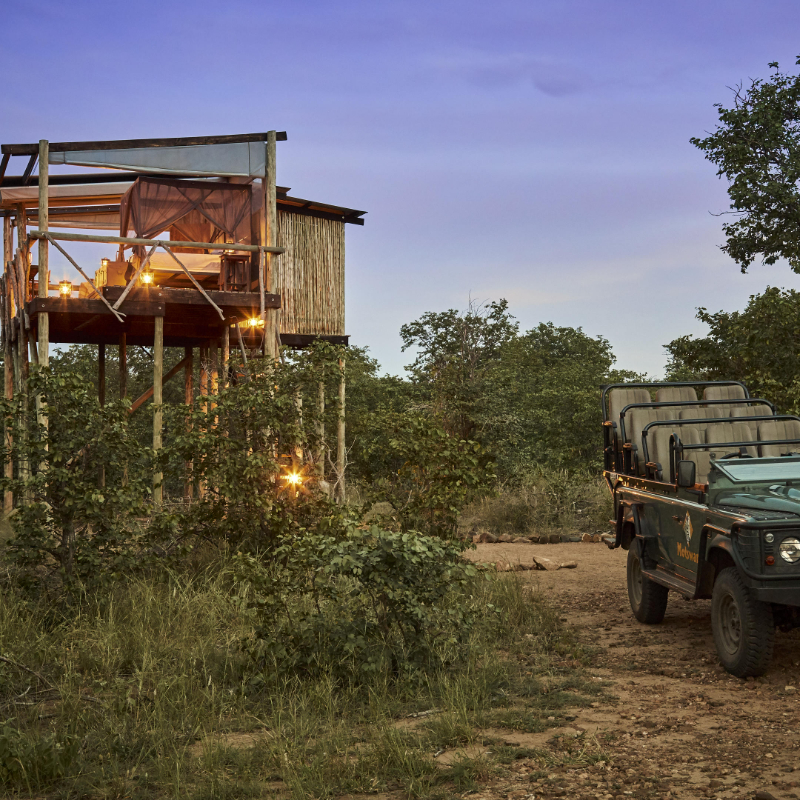
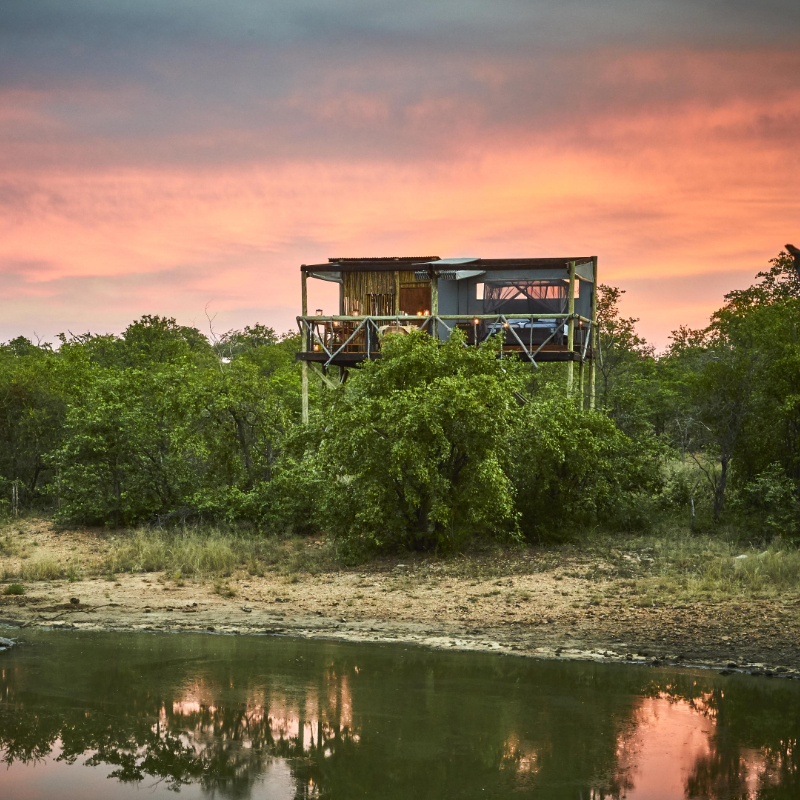
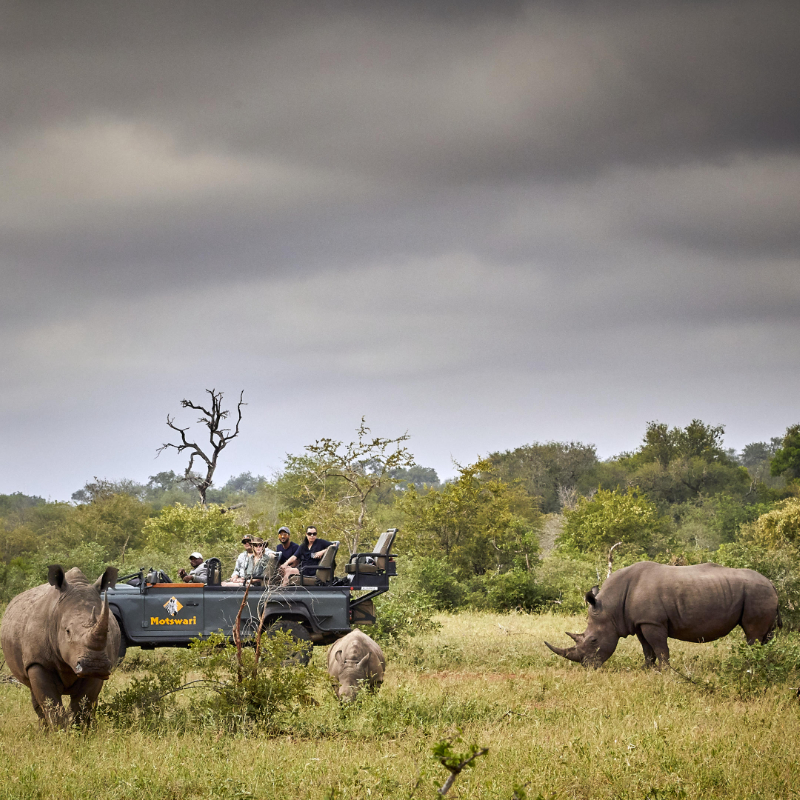
The dry winter months are widely regarded as the best time for wildlife viewing in Southern Africa. Destinations such as South Africa, Botswana, Namibia, Zambia, and Zimbabwe offer exceptional game viewing as animals gather around rivers and waterholes.
The weather during this period is cooler and less humid, creating ideal safari conditions. This season also coincides with excellent viewing of Victoria Falls, particularly in June and July, when the falls are powerful yet visibility remains clear.
Wet Season (November to April)
The summer rainy season transforms the landscape into a lush, green paradise. This is an excellent time for birdwatching, with migratory species arriving in large numbers. While wildlife can be harder to spot due to dense vegetation, the scenery is breathtaking and ideal for photography. Expect warmer temperatures and higher humidity.
Whale Watching in South Africa
From June to November, Southern Right Whales migrate along the South African coastline. The town of Hermanus is one of the world’s best land-based whale-watching destinations. September is particularly popular due to the annual whale festival, so early booking is advised.
Flower Season in Namaqualand
Following winter rains, the arid landscapes of Namaqualand burst into colour between late July and September. This spectacular wildflower display is highly weather-dependent, so timing can vary from year to year.
Exploring the Okavango Delta
The annual floodwaters from Angola reach the Okavango Delta around June, peaking between July and August. This creates extraordinary wildlife viewing opportunities as animals converge on the flooded plains. As waters recede later in the season, wildlife concentrates around remaining water sources, offering a different but equally rewarding experience.
Experiencing Victoria Falls at Its Peak
After the rainy season, Victoria Falls reaches maximum flow between April and May. During this time, the falls are at their most dramatic, with immense volumes of water and mist. While visibility from close viewpoints can be limited, aerial experiences such as helicopter or microlight flights offer unforgettable perspectives.
Eastern Africa: The Great Migration and Beyond
Dry Season (June to October)
This is peak safari season in Kenya and Tanzania and the best time to witness the world-famous Great Migration, particularly between July and September. Wildlife viewing is excellent, malaria risk is lower, and conditions are ideal for trekking.
This period is also the most popular time to climb Mount Kilimanjaro, thanks to clearer skies and minimal rainfall.
Short Rains (November to December)
Often referred to as the green season, this period brings fresh vegetation and fewer visitors. Wildlife viewing remains good, landscapes are vibrant, and accommodation rates are often more competitive.
Long Rains (March to May)
Heavier rainfall can make travel more challenging, and some lodges may close. However, the scenery is lush, newborn animals are abundant, and crowds are minimal for travellers seeking a quieter experience.
Gorilla Trekking in Uganda and Rwanda
Gorilla trekking is possible year-round, but the best conditions are during the drier months from June to September and December to February. Permits are limited and should be booked well in advance.
Best Climbing Seasons
For Mount Kilimanjaro, the best climbing conditions are from late June to October and from late December to early March.
Mount Kenya is best climbed from January to February and July to October.
These periods offer the clearest skies and least precipitation, but they are also the busiest, making advance booking essential.
Indian Ocean Islands: Idyllic Beach Escapes
Peak Season (May to October)
Cooler, drier weather makes this the best time to visit island destinations such as Seychelles, Mauritius, Madagascar, and Zanzibar. Conditions are ideal for beach holidays, diving, snorkeling, and exploring natural landscapes.
Wet Season (November to April)
Expect warmer temperatures, higher humidity, and occasional tropical storms, particularly between January and March. However, the islands are lush and less crowded, often offering better value and a more relaxed atmosphere.
Zanzibar’s Cultural Festivals
Sauti za Busara, held in February, is a vibrant African music festival celebrating regional talent.
The Zanzibar International Film Festival takes place in July and showcases African cinema, arts, and culture. Accommodation fills quickly during these events, so advance planning is recommended.
Best Time for Diving and Snorkeling
April, May, October, and November offer calm seas and excellent underwater visibility of up to 30 metres, making them ideal for marine exploration.